
Key Features to Look for in a Sewing Machine
The art of stitching fabric together has evolved from a historical necessity into a vibrant medium for self-expression, custom fashion, and therapeutic crafting. Whether your ambition is to mend household garments, design an original wardrobe, or piece together intricate heirloom quilts, selecting the appropriate equipment is a vital milestone. The market offers a vast array of options, ranging from mechanical models to highly computerized systems. Navigating these choices requires a clear understanding of the essential mechanical capabilities that directly influence your creative projects and overall sewing satisfaction.
Purchasing a high-quality machine requires a balance between your current skill level and your future artistic aspirations. Investing in a tool that is too basic can cause frustration as your skills grow, while an overly complex system can feel intimidating to someone just starting out. By focusing on a core set of reliable mechanics, helpful automation, and flexible attachments, you can find a lifetime crafting companion. Choosing the right sewing machine involves examining stitch variety, assessing motor power, evaluating ease of threading, and confirming build stability to ensure a smooth, enjoyable crafting experience.
Evaluating Built-In Stitch Selections
The variety and quality of the available stitch patterns form the creative foundation of any textile project. While a beginner might only need a straightforward linear stitch for basic seams, expanding your repertoire requires looking at more versatile stitch options. A reliable model should offer a clean straight stitch, an adjustable zigzag option for raw fabric edges, a blind hem stitch for discrete tailoring, and a flexible utility stitch for knit fabrics. These basic selections provide the necessary framework for constructing garments, assembling home decor, and performing everyday alterations.
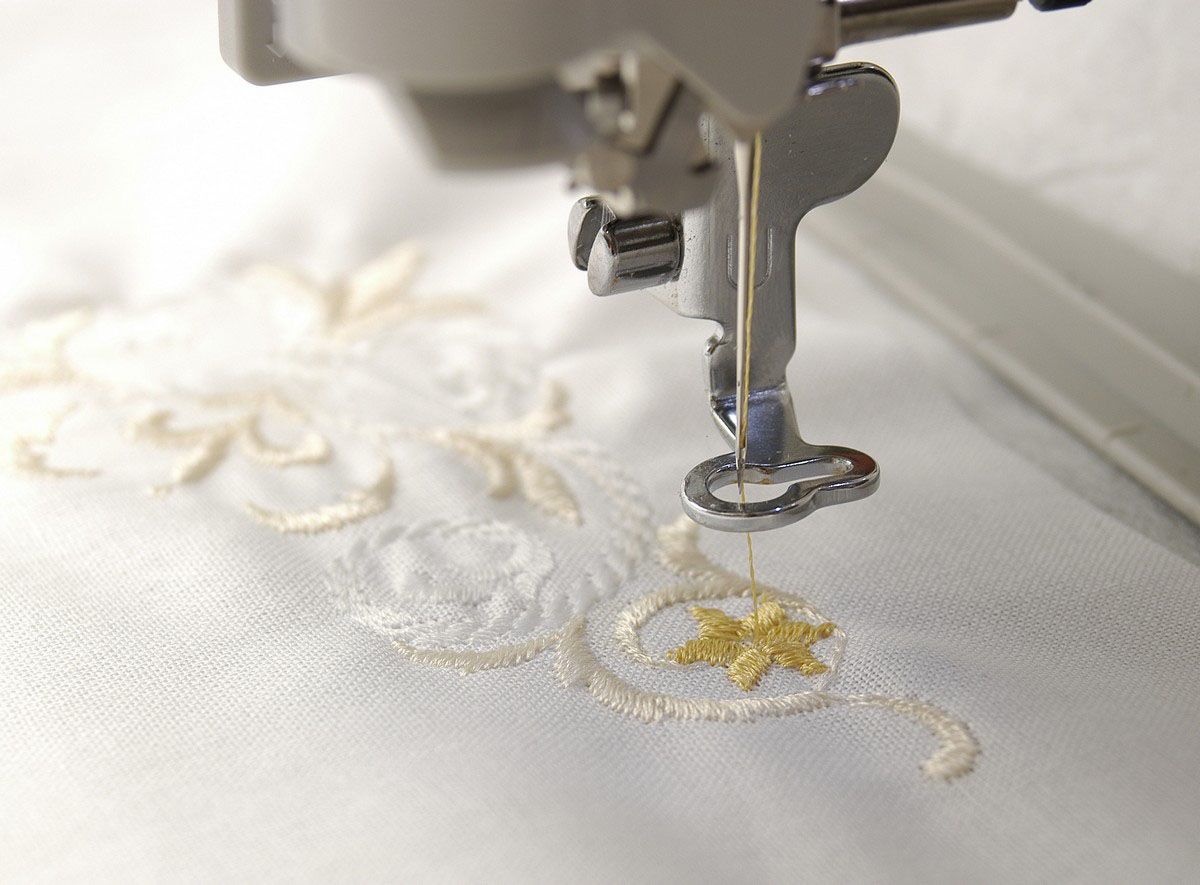
As your passion for the craft deepens, decorative and functional specialty stitches become increasingly valuable. Modern equipment often features pre-programmed embroidery patterns, reinforcing satin stitches, and intricate quilting options that add beautiful, personalized detail to your work. According to Maximize Market Research, the Asia Pacific region held the largest share of the sewing machine market in 2024, accounting for 51.2%. This massive global presence reflects the universal demand for reliable garment production and innovative textile tools. Prioritizing an intuitive selection system allows you to switch between utility and decorative patterns effortlessly, maximizing your creative versatility.
Assessing Motor Power and Speed
The internal motor serves as the heart of your equipment, directly determining the thickness of the materials you can successfully stitch. A robust, heavy-duty motor provides the consistent piercing power needed to glide through dense denim layers, thick genuine leather, or multiple folds of heavy canvas without stalling. Conversely, a weaker motor can struggle with heavy materials, causing skipped stitches, broken needles, or burned-out internal components. Evaluating motor capability ensures your equipment can easily handle everything from delicate silk chiffons to rugged outerwear.
Beyond sheer piercing strength, adjustable speed controls are essential for maintaining precision during intricate work. A responsive foot control or a dedicated speed-limiting slider allows you to slow the rhythm when navigating tight corners, sewing precise curves, or executing detailed topstitching. High-speed capabilities save valuable time when piecing together expansive quilt backings or handling long, straight curtain hems. Finding a model that combines strong, low-speed piercing power with controllable top speeds gives you complete control over your creative process.
Demanding Automated Convenience Features
Modern technological innovations have introduced multiple automated conveniences that eliminate the tedious setup tasks historically associated with the craft. An automatic needle threader is an invaluable feature, saving your eyesight and reducing frustration by pulling the thread through the tiny needle eye in a single action. Similarly, a built-in thread cutter trims the upper and lower threads close to the fabric surface at the touch of a button, saving time and reducing thread waste.
Another critical automated feature to look for is a specialized one-step buttonhole creator. Older, multi-step systems required manual measurements and multiple adjustments, often resulting in uneven, asymmetrical openings. A modern one-step buttonhole function uses a specialized foot to measure your physical button and stitch a matching opening automatically. These convenience features eliminate common technical hurdles, allowing you to focus your energy on design, composition, and garment construction.
Verifying Tension and Bobbin Mechanics
Consistent, balanced thread tension is essential for producing neat, secure seams that do not pucker or unravel over time. Advanced systems offer automatic tension adjustment, utilizing internal sensors to calculate fabric thickness and automatically balance the upper and lower threads. If you choose a manual tension dial, look for one with clear, precise markings that allow for easy adjustments when switching between lightweight lace and heavy wool.
The design of the bobbin system also plays a crucial role in daily operation and maintenance. A top-loading, drop-in bobbin system with a clear plastic cover plate is generally preferred over traditional front-loading metal systems. This transparent design allows you to easily monitor your remaining thread supply at a glance, preventing the frustration of running out of bobbin thread mid-seam. Additionally, top-loading systems are less prone to thread jamming and are much easier to clean and oil routinely.
Inspecting Presser Foot Versatility
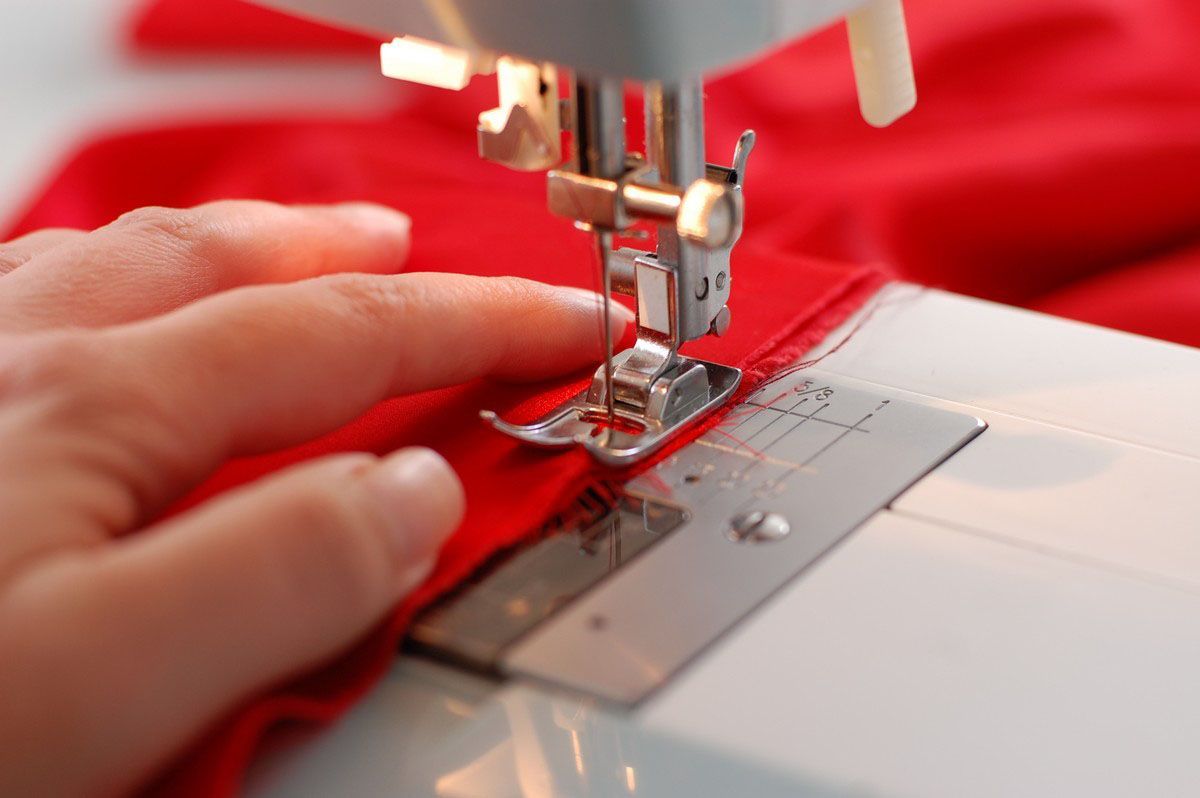
The presser foot holds the fabric flat against the feed dogs, ensuring the material moves smoothly through the stitching area. A versatile sewing machine should feature an adaptable snap-on ankle system that allows you to swap specialized presser feet in seconds without a screwdriver. Essential attachments to look for include a standard zigzag foot, a precise zipper foot, a buttonhole foot, and a discrete blind hem foot.
For those interested in advanced tailoring or thick quilting, a walking foot or even-feed attachment is indispensable. This specialized tool moves the upper layer of fabric at the exact same speed as the lower layer, preventing shifting, bunching, or misalignment in plaid patterns and slippery materials. An adjustable presser foot pressure control is another helpful feature, letting you lighten the grip on delicate knits to avoid stretching, or increase pressure on stiff fabrics for straight, even feeding.
Examining Frame and Build Stability
The internal architecture of the chassis dictates the overall longevity, stability, and precision of the stitching mechanism. A high-quality model features a full, rigid interior frame cast from heavy aluminum or magnesium alloy rather than lightweight plastic components. This structural weight keeps the machine securely anchored to your table, minimizing distracting vibrations and noise during high-speed operation. A stable machine ensures your needle hits the exact same spot every time, preserving your stitch quality.
A solid internal frame also prevents the mechanical components from shifting out of alignment over years of regular use and transport. While a lightweight, plastic-dominated exterior model might feel convenient for carrying to occasional classes, it often wears out faster under heavy workloads. Choosing a stable, well-built sewing machine guarantees that the internal gears remain perfectly synchronized, giving you a dependable, smooth-running creative tool for decades to come.
Carefully analyzing stitch selection, motor strength, automated features, and internal frame stability helps you find a high-quality tool that elevates your craftsmanship. By prioritizing a strong mechanical foundation and convenient, time-saving features, you can avoid common frustrations and enjoy a smoother creative workflow. The time and thought spent choosing the perfect machine will reward you with a reliable artistic partner that brings your textile visions to life.
When you are ready to explore a curated selection of premium machinery and receive expert guidance tailored to your unique creative journey, connect with our knowledgeable team at Bernina Sew N Quilt Studio to find your perfect artistic companion today.
Share On: